
Lotus365: 12 Red Flags Every Betting App User Should Know
The online gaming and betting industry has grown rapidly in recent years, attracting millions of users who search for convenient digital platforms. However, with this growth, the number of fake applications, duplicate websites and fraudulent platforms has also increased. Many users get trapped by misleading advertisements, unofficial links and fake customer support channels that look similar to genuine services.
When people search for platforms using terms like Lotus 365, Lotus365, Lotus365id or Lotus 365 id, they may come across multiple websites and social media pages claiming to provide access, registration support or account assistance. The challenge is identifying which sources are trustworthy and which ones are created only to collect personal information or money.
Before downloading any application or sharing details such as phone numbers, payment information or login credentials, users should understand the warning signs of fake apps. A little awareness can prevent major financial and privacy-related risks.
Understanding Fake Betting Apps and How They Work
Fake betting apps are designed to imitate popular platforms. Scammers often copy brand names, logos, website layouts and promotional messages to make their applications appear authentic. Their main objective is usually to collect user data, gain unauthorized access to accounts or convince users to make payments through unsafe methods.
A fake application may look professional at first glance. It can have attractive graphics, bonus offers, customer support buttons and even fake reviews. However, several hidden signs can reveal whether the platform is genuine or fraudulent.
For example, scammers may create pages using keywords like Lotus365original or Lotus 365original to appear legitimate in search results. They may also advertise fake Lotus 365 whatsapp contact numbers to communicate with users directly. These methods are commonly used to build false trust.
Users should always verify information from reliable sources instead of depending only on advertisements or random messages received through social media platforms.

Check the Official Source Before Installing Any Fake Betting App
One of the biggest mistakes users make is downloading applications from unknown links. Fake apps are frequently distributed through third-party websites, forwarded messages and unofficial APK files.
Before installing any application, users should carefully check:
- The website address
- Domain authenticity
- Security certificates
- Contact information
- App download source
- Privacy policies
A professional-looking website does not always mean it is safe. Many fraudulent platforms invest in attractive designs to appear trustworthy.
When searching for Lotus 365, users may find multiple pages offering Lotus365id registration, account recovery or support services. It is important to verify whether these pages are officially connected to the platform or simply using the keyword to attract visitors.
Avoid clicking unknown links received through:
- WhatsApp messages
- Telegram groups
- Social media advertisements
- Random emails
- Pop-up advertisements
These channels are commonly used for distributing fake applications.
Be Careful With Fake Lotus 365 ID Offers
Many online scams attract users by offering instant account creation, special bonuses or exclusive access through fake representatives. These scams often use phrases like:
- “Create your Lotus 365 id instantly”
- “Get verified Lotus 365 whatsapp id support”
- “Official Lotus 365 whatsapp number available”
- “Download original Lotus365 app here”
Such claims should always be checked carefully.
A genuine digital platform generally follows proper verification procedures and does not require users to share sensitive information through unknown contacts.
Never share:
- OTP codes
- Banking details
- UPI PIN
- Passwords
- Identity documents
- Personal account information
with unknown individuals claiming to provide Lotus 365 id support.
Analyze App Reviews and User Feedback
Reviews can provide useful information, but users should understand that online reviews can also be manipulated. Fake applications often publish unrealistic five-star ratings to create a positive impression.
When checking reviews, look for:
Genuine User Experiences
Real users usually mention specific details about their experience, including:
- Application performance
- Customer service response
- Technical problems
- Payment-related concerns
Fake reviews often contain repeated phrases, generic comments or excessive promotional language.
Check Multiple Sources
Do not depend on one website or one social media page. Compare information from different sources before trusting an application.
If multiple users report problems such as:
- Account blocking
- Unresponsive support
- Unexpected charges
- Suspicious links
it may indicate a risky platform.

Verify App Permissions Before Installation
Another important step is checking what permissions an application requests.
A suspicious app may ask for unnecessary access, such as:
- Contacts
- Messages
- Storage
- Camera
- Location
An application should only request permissions that are required for its functionality.
If an unknown app requests excessive permissions, users should avoid installation.
Cybercriminals often use permission access to collect private information from devices.
Avoid Downloading Unknown APK Files
Many fake betting applications are distributed as APK files outside official app stores. These files may contain harmful software designed to steal personal information.
Before downloading any APK:
- Check the source website
- Scan the file for security threats
- Avoid modified versions
- Do not install files received from unknown contacts
Search results containing terms like Lotus365id, Lotus 365id or Lotus 365whatsapp may lead to unofficial pages. Always verify the authenticity of the source before taking any action.
Be Aware of Fake Lotus 365 WhatsApp Support Accounts
One of the most common methods used by online scammers is creating fake customer support accounts through messaging platforms. Many users search for quick assistance using terms like Lotus 365 whatsapp id, Lotus 365 whatsapp, or Lotus 365whatsapp and may unknowingly contact unofficial individuals.
Scammers often create profiles that look professional by using:
- Similar brand names
- Company logos
- Fake customer support badges
- Promotional messages
- Attractive offers
Their goal is to convince users that they are connected with an authentic service. After gaining trust, they may request personal information, payment details, or account credentials.
Users should always be careful when communicating with unknown support agents. A legitimate support channel should have clear verification methods and should not pressure users to share sensitive details.
Common warning signs of fake support accounts include:
- Asking for OTP verification codes
- Requesting direct payments
- Promising guaranteed results
- Sending unknown download links
- Creating urgency with limited-time offers
Whenever you find a Lotus 365 whatsapp id or support contact online, verify its authenticity before starting any conversation.
Check Website Security and Domain Information
A website’s security features can provide important clues about its reliability. Before entering any personal information, users should check basic security indicators.
Important things to review include:
HTTPS Connection
A secure website normally uses HTTPS encryption. While HTTPS does not guarantee that a website is completely safe, the absence of security encryption can be a warning sign.
Domain Name Accuracy
Fake websites often use domain names that look similar to original platforms. They may:
- Add extra words
- Change spelling slightly
- Use unusual extensions
- Copy the original design
For example, scammers may create websites targeting searches for Lotus 365 original or Lotus365original by using similar-looking names to confuse visitors.
Always carefully examine the website address before entering login details or downloading applications.
Avoid Unrealistic Offers and Guaranteed Claims
One of the biggest indicators of a fake platform is unrealistic promises. Fraudulent applications often attract users by offering:
- Guaranteed profits
- Instant rewards
- Unlimited bonuses
- Risk-free returns
- Special VIP access
These messages are designed to create excitement and encourage quick decisions.
Responsible online users should avoid making decisions based only on promotional claims. Always research the platform, understand the risks and verify information before sharing personal details.
A professional platform should provide transparent information rather than relying on unrealistic promises.
Protect Your Personal and Financial Information
Cybersecurity begins with protecting your own information. Even if an application looks genuine, users should follow basic safety practices.
Important safety measures include:
Use Strong Passwords
Create unique passwords and avoid using the same password across multiple platforms.
Enable Additional Security Features
Whenever available, use additional verification methods to protect accounts.
Avoid Saving Payment Information
Do not store sensitive payment details on unknown applications or websites.
Monitor Account Activity
Regularly check your accounts for unusual activities or unauthorized access attempts.
These simple steps can reduce the chances of becoming a victim of online fraud.
Common Signs of Fake Betting Applications
Before installing any online gaming or betting-related application, look for these warning signs:
1. Unknown Developer Information
Reliable applications usually provide clear information about their developers. Unknown or hidden developer details can be suspicious.
2. Poor Application Quality
Fake apps often contain:
- Frequent crashes
- Broken links
- Poor spelling
- Unprofessional design
- Limited functionality
3. Pressure to Deposit Money Quickly
Scammers often push users to make immediate payments before they have enough time to research.
4. No Clear Support Information
A lack of proper support channels is another warning sign.
5. Too Many Pop-Ups and Redirects
Excessive advertisements and suspicious redirects can indicate an unsafe application.
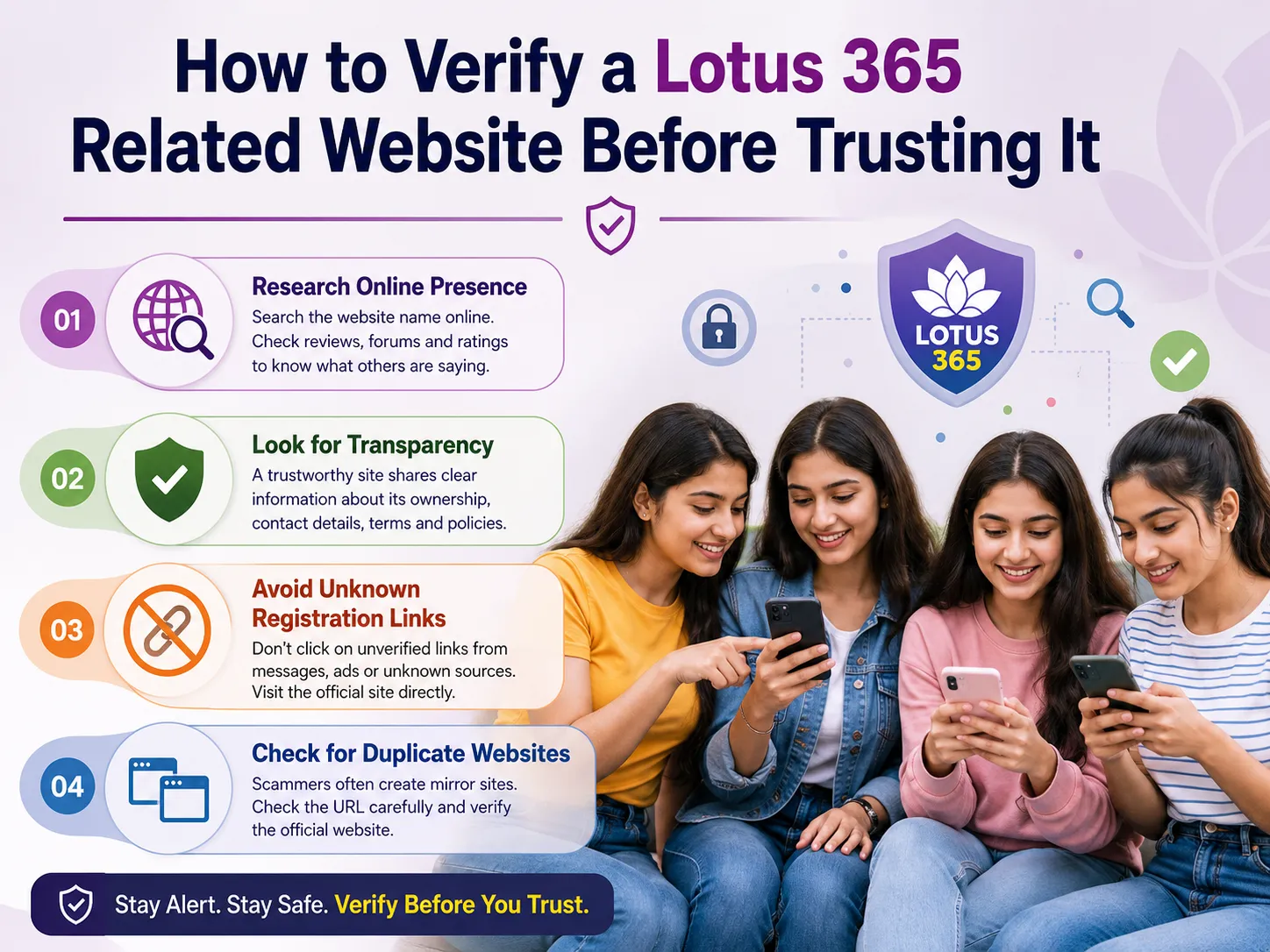
How to Verify a Lotus 365 Related Website Before Trusting It
If users come across websites mentioning Lotus 365, Lotus365, or Lotus365id, they should perform basic verification steps:
Research Online Presence
Check whether the website has consistent information across different platforms.
Look for Transparency
Reliable platforms usually provide clear terms, policies and contact details.
Avoid Unknown Registration Links
Do not immediately create an account through random links received through messages or advertisements.
Check for Duplicate Websites
Search engines may show multiple pages using similar keywords. Some may not be connected to the actual brand.
Users should always prioritize safety over quick access.
Why Digital Awareness Is Important in 2026
As online platforms continue to grow, cybercriminals are also developing more advanced techniques. Fake applications are becoming harder to identify because scammers use professional designs, copied branding and targeted advertisements.
Digital awareness helps users recognize risks before they become victims.
Learning how to identify fake apps, suspicious websites and fraudulent communication channels is important for everyone who uses online services.
Simple actions like verifying links, checking reviews and protecting personal information can make a major difference.
Safety Checklist Before Using Any Online Application
Before downloading or registering on any application, ask yourself:
✔ Is the website address correct?
✔ Is the app from a trusted source?
✔ Are the reviews genuine?
✔ Does the platform provide transparent information?
✔ Is anyone asking for OTP or private details?
✔ Are the offers realistic?
✔ Does the application request unnecessary permissions?
If something feels suspicious, it is better to stop and verify before continuing.
Frequently Asked Questions (FAQs)
How can I identify a fake Lotus 365 app?
You can identify suspicious applications by checking the download source, website authenticity, user reviews, app permissions and developer information. Avoid installing apps from unknown links or unofficial sources.
Are all Lotus365id registration links genuine?
No. Multiple websites may use similar keywords such as Lotus365id or Lotus 365 id to attract users. Always verify the source before sharing personal information.
How can I avoid fake Lotus 365 whatsapp support scams?
Avoid contacting unknown numbers claiming to provide Lotus 365 whatsapp id support. Never share OTPs, passwords, or payment details with unverified contacts.
What should I do if I download a suspicious application?
Immediately uninstall the application, remove unnecessary permissions, change important passwords and check your device for unusual activity.
Why do scammers create fake apps?
Scammers create fake applications to collect personal data, steal account information, distribute harmful software, or trick users into making unauthorized payments.
Conclusion
The increasing popularity of digital platforms has also increased the risk of fake applications and online scams. Users searching for services related to Lotus 365, Lotus365, Lotus365id or Lotus 365 original should always verify information carefully before downloading applications or sharing personal details.
Fake websites, duplicate apps and fraudulent Lotus 365 whatsapp contacts can appear convincing but careful checking can help users identify warning signs.
The best protection is awareness. Always research before registering, avoid suspicious links, protect your personal information and make digital safety your priority.
By following these safety practices, users can create a more secure online experience and reduce the chances of falling victim to fake applications or internet scams.